
💼 The Company
Worten is one of the largest and most recognized retail brands in Portugal, specializing in technology, consumer electronics, and home appliances. Present in the daily lives of millions of people, it combines a strong network of physical stores with a robust digital platform, delivering a simple, accessible, and fully integrated shopping experience.
One of the largest e-commerce sites in the Iberian Peninsula was experiencing a high volume of returns for large household appliances; this analysis will focus specifically on washing machines.
The problem lay not with the product or brand purchased, but rather with the online shopping experience, which was marred by communication breakdowns, unclear UX writing and a lack of critical information.
🔍 Analysis
📍 Scenario
The core system orchestrating the product returns ecosystem showed a high volume of returns. After analyzing return data, we identified that the primary cause was incorrect measurements for washing machines. Our goal was to map the user journey and identify key friction points, enabling us to improve the UX and UI of the website based on research-driven insights.
🧨 Problem
Lack of clarity and objectivity in communication (UX Writing + UI) Absence of essential information, particularly product dimensions High volume of returns due to size mismatches Customer frustration at the time of delivery
Key insight: Most customers did not check the measurements before purchasing, not out of negligence, but because the system failed to guide them to do so.
🎯 Objective
-
Reduce returns due to sizing issues
-
Improve the clarity of product information
-
Anticipate delivery issues
-
Boost customer confidence and autonomy
-
Reduce call centre enquiries
🚀 Outcome
-
Redesign of the product page on the e-commerce site
-
Behavioural nudges
-
Checkout wizard: implementation of a smart questionnaire to verify, delivery address validity and delivery terms
-
Improve delivery communication
How did we reach this result?
🛠️ Resources
Tools
-
Consent Forms
-
Video Recording
-
Voice Recording
-
Microsoft Forms
-
Google Spreadsheet
-
Miro
-
Figma
Team
-
Team Leader
-
UX Research
My Role
-
Ux Researcher
-
UX/UI Designer
Time
-
Overall: 8 months
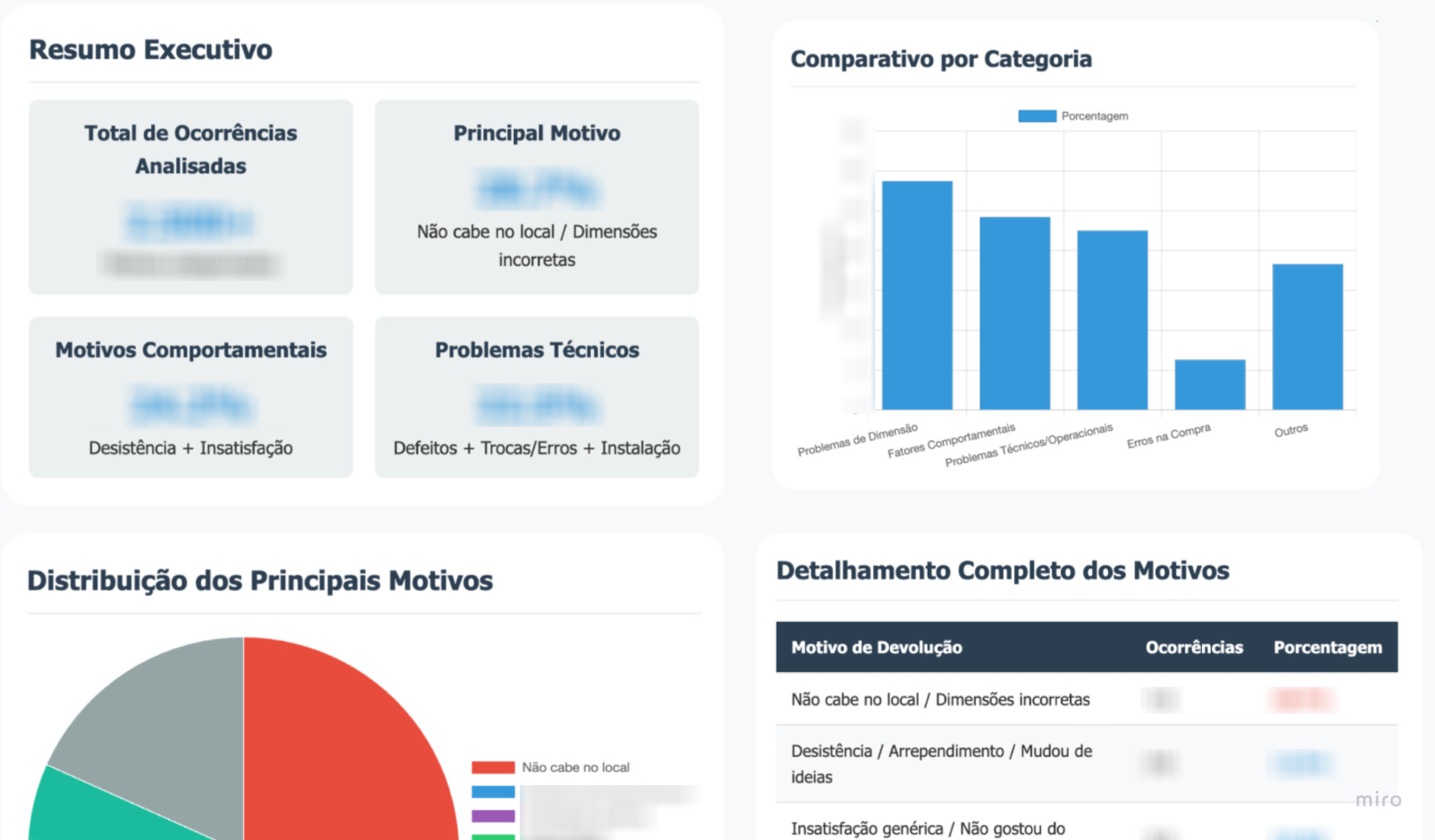
Data Analysis
📚 Methodology
A mixed-methods approach (qualitative + quantitative) was used:
🕵🏻♀️ Benchmark Research
-
User Journey Map
-
In-store experience Digital (online) experience 👉 Comparison revealed critical shortcomings in the digital experience
-
Assessment of delivery flows in the market
-
Competitor analysis
-
E-commerce best practices
🎤 Interviews
Two groups of real users were interviewed, comprising those who prefer shopping in physical stores and those who prefer online shopping:
-
Objective: To understand decision-making criteria to identify pre-purchase needs
-
Insights: Technical specifications are a priority, dimensions are critical to the decision-making process.
🔢 Quantitative Analysis
-
Contact center data (focus on returns)
-
Reasons for contact and returns
🗺️ User Journey Map
The user journey mapping revealed critical communication failures throughout the entire purchase process. At different stages, from product discovery to checkout, it was possible to identify gaps in the clarity of essential information, such as dimensions, delivery conditions, and logistical requirements, which were not properly highlighted or were presented in an ambiguous way. As a result, users progressed through the journey with expectations misaligned with reality.
Additionally, the lack of contextual guidance throughout the experience meant that users were not encouraged to validate critical information before completing the purchase. This increased the likelihood of errors, leading to frustration, returns, and a higher need to contact support.
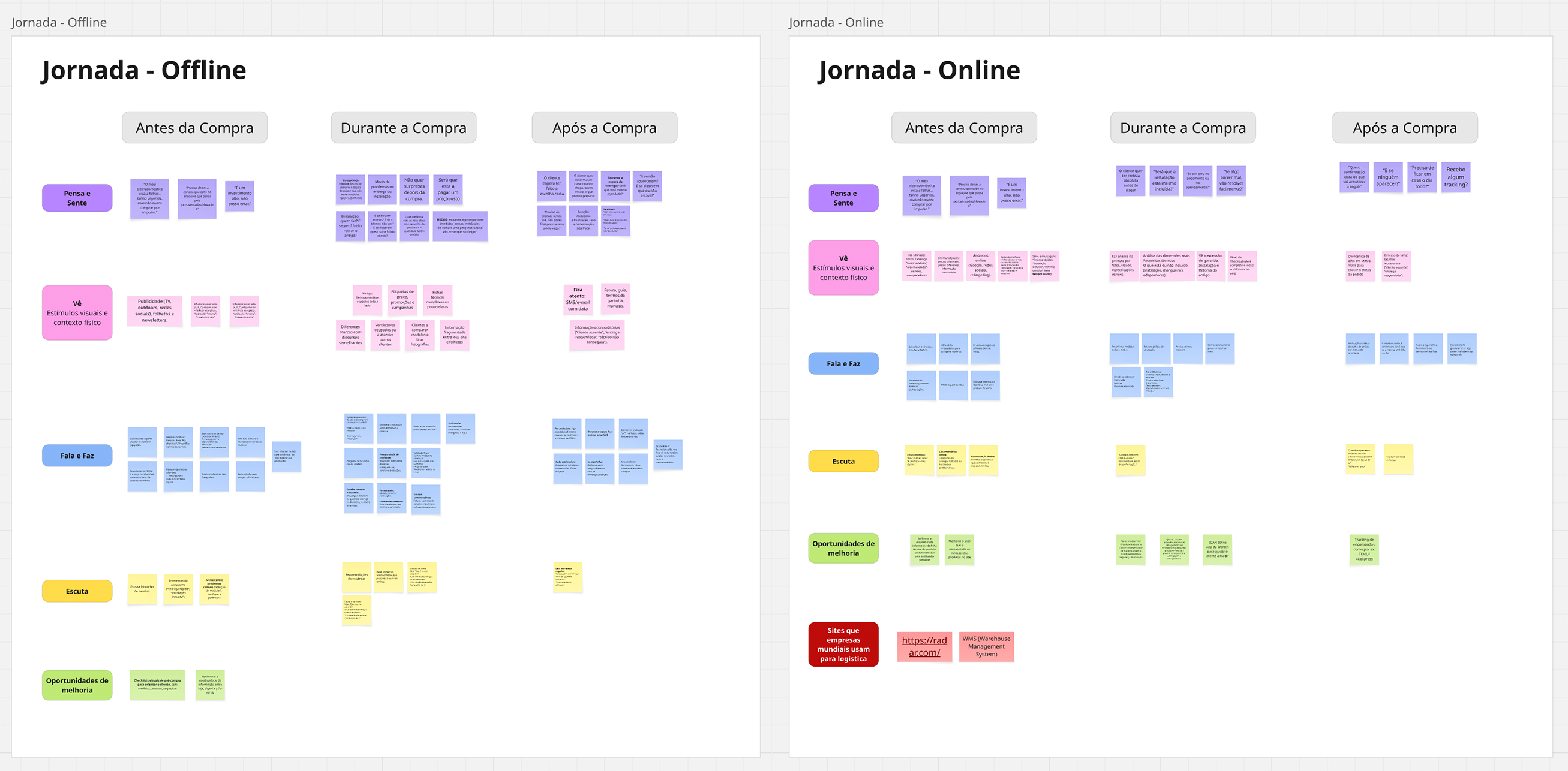
User Journey Offline & Online
🔑 Proposed Solutions
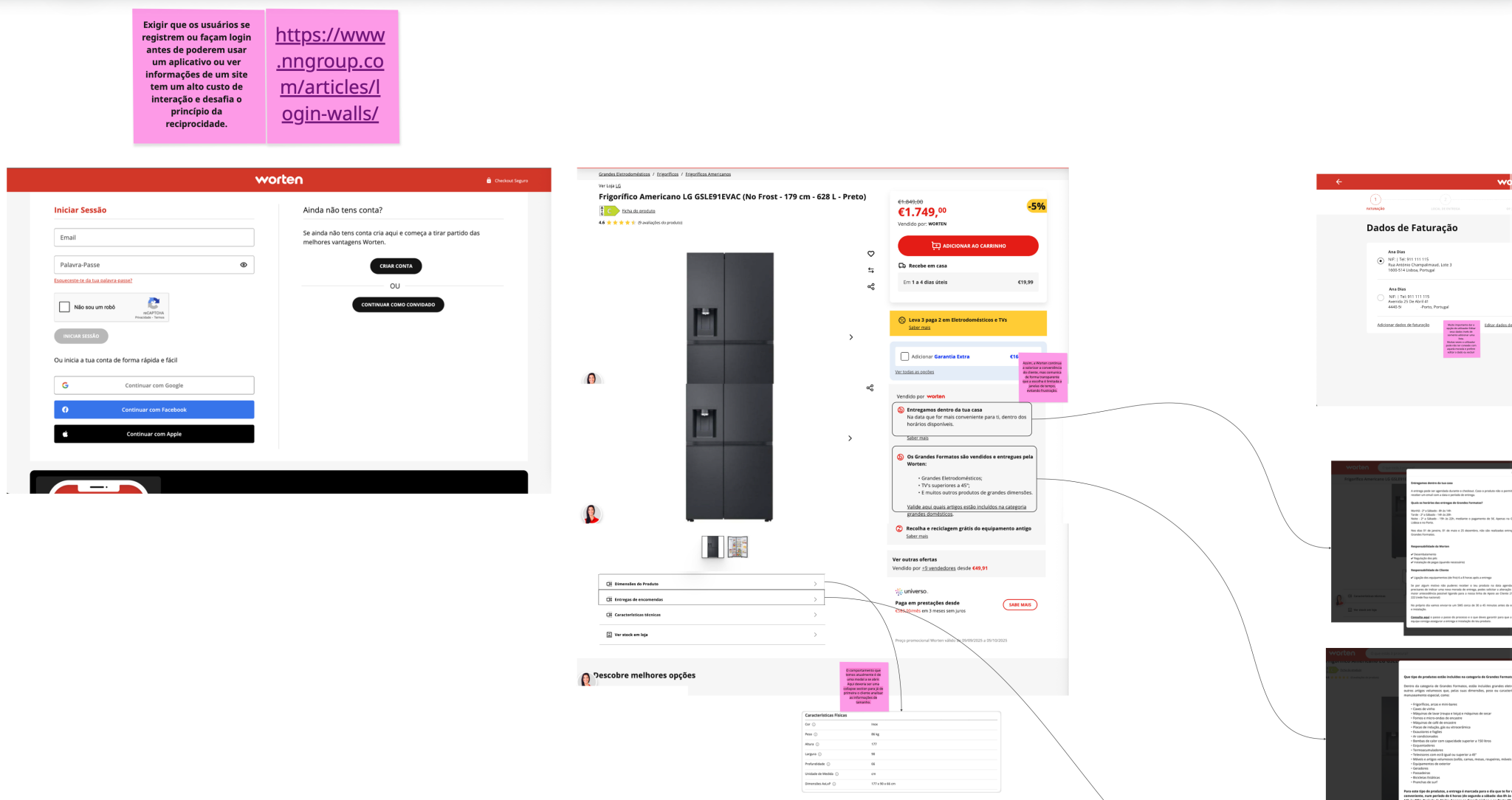
Suggestions for improvement based on best practices in UX and UX writing
🧠 User Guidance
In addition, the experience lacked clear and proactive guidance to support essential user behaviors. The system did not encourage users to measure their available space or clearly understand delivery conditions before completing a purchase. Critical information was neither emphasized nor presented in a way that facilitated informed decision making, increasing the likelihood of user error and negatively impacting the overall experience.
📏 Measurement
A well structured information architecture, combined with behavioral nudges that act as contextual triggers at the right moments in the journey, encourages essential actions without interrupting the experience. Messages such as “Have you measured your available space?” help anticipate issues, guiding the user in a subtle yet effective way.
By organizing information clearly and in a structured way, highlighting critical elements such as dimensions, installation requirements, and delivery conditions, the system reduces cognitive load and improves understanding.
The result is fewer purchasing errors, less friction during delivery, and a significant improvement in the overall experience for both the customer and the operation.
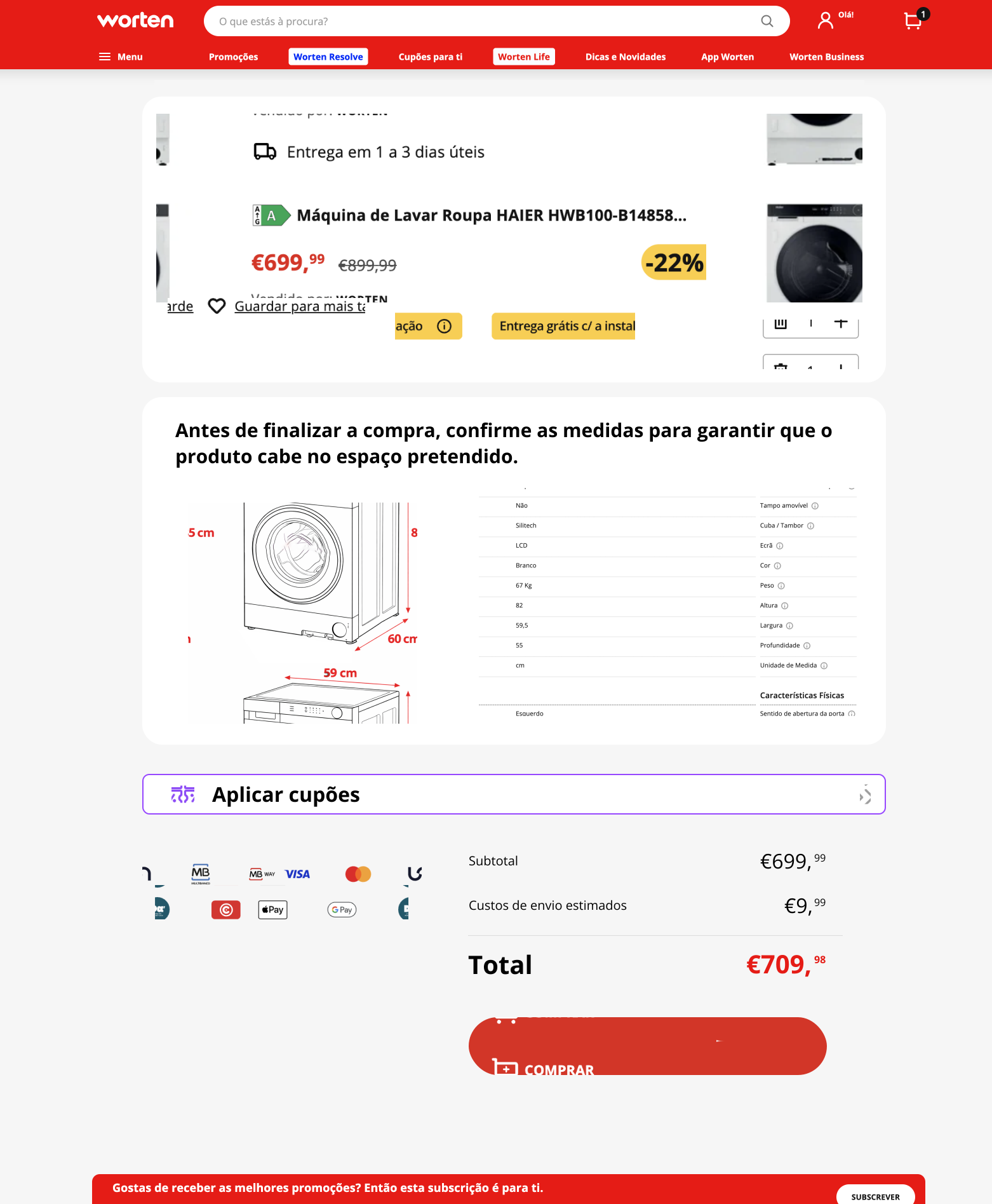
Solution proposed based on data collected and architecture information
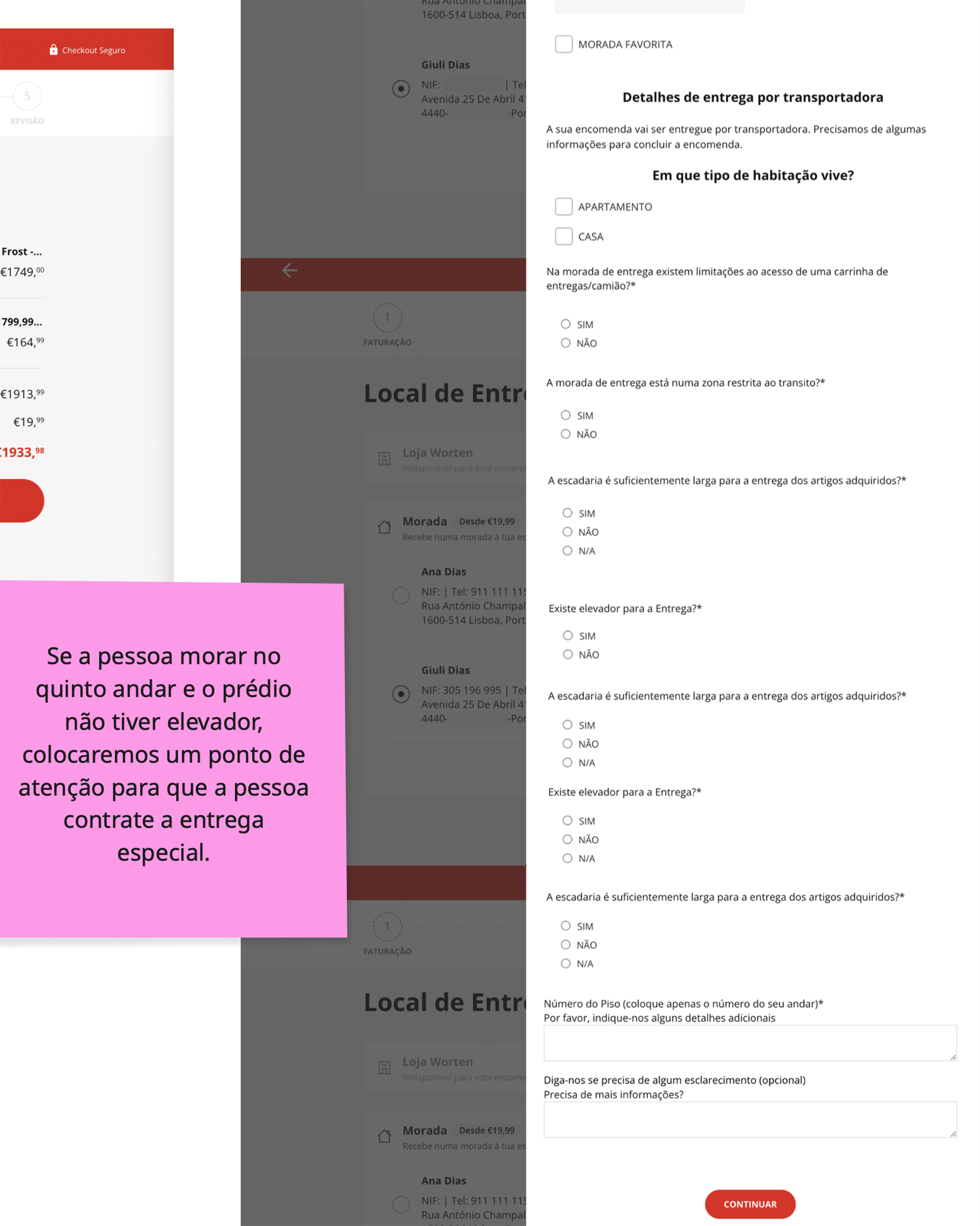
Form designed to provide carriers with accurate, delivery-critical information.
🚚 Helping Logistics
During the purchasing process, the customer is now asked to provide relevant details regarding access and delivery conditions, such as the characteristics of the address, traffic restrictions and the accessibility of the location. This advance data collection enables the carrier to accurately assess the delivery context and select the most appropriate vehicle type whether large or small as well as to scale the necessary resources.
As a result, the logistics process becomes more predictable and efficient, reducing delivery failures, operational rework and friction in the customer experience.
💭 Reflection
When working with UX Research and end to end design, we follow a process that starts from a macro view and gradually narrows down to the details. First, we analyze the overall product context and available data, often using long term datasets to identify patterns and user behaviors.
Next, we deepen the research using both qualitative and quantitative methods to understand the root causes of usability issues and map the most critical areas of the experience.
We then look at the full user journey, including the post purchase phase, where many of the main pain points emerge. At this stage, user feedback is essential to validate hypotheses and uncover real problems.
Ultimately, well executed research does not only identify problems, it guides clear decision making across the entire user experience.